Tree Highlight: bald cypress
Bald cypress
Taxodium distichum (Family Cupressaceae)
The basics
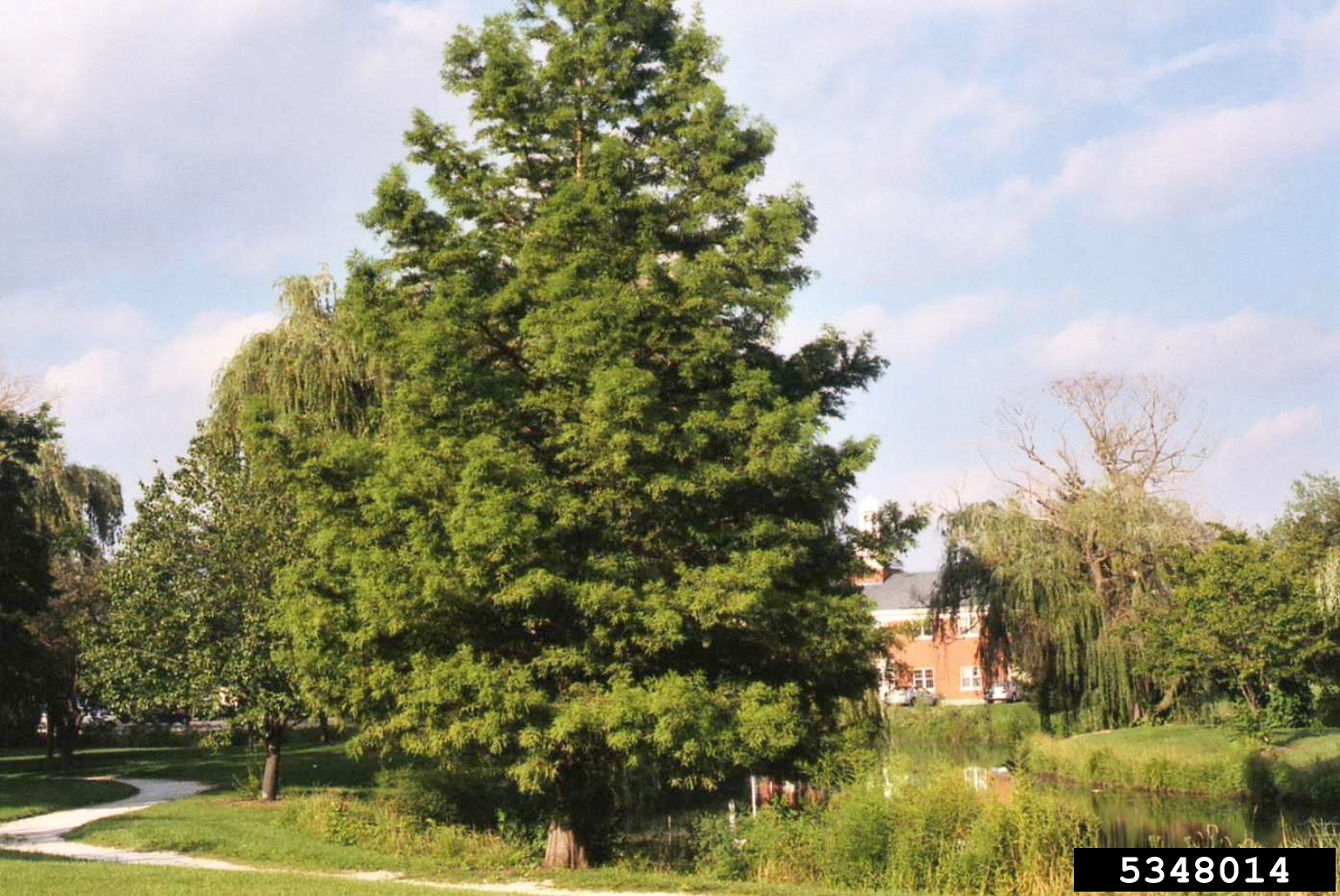
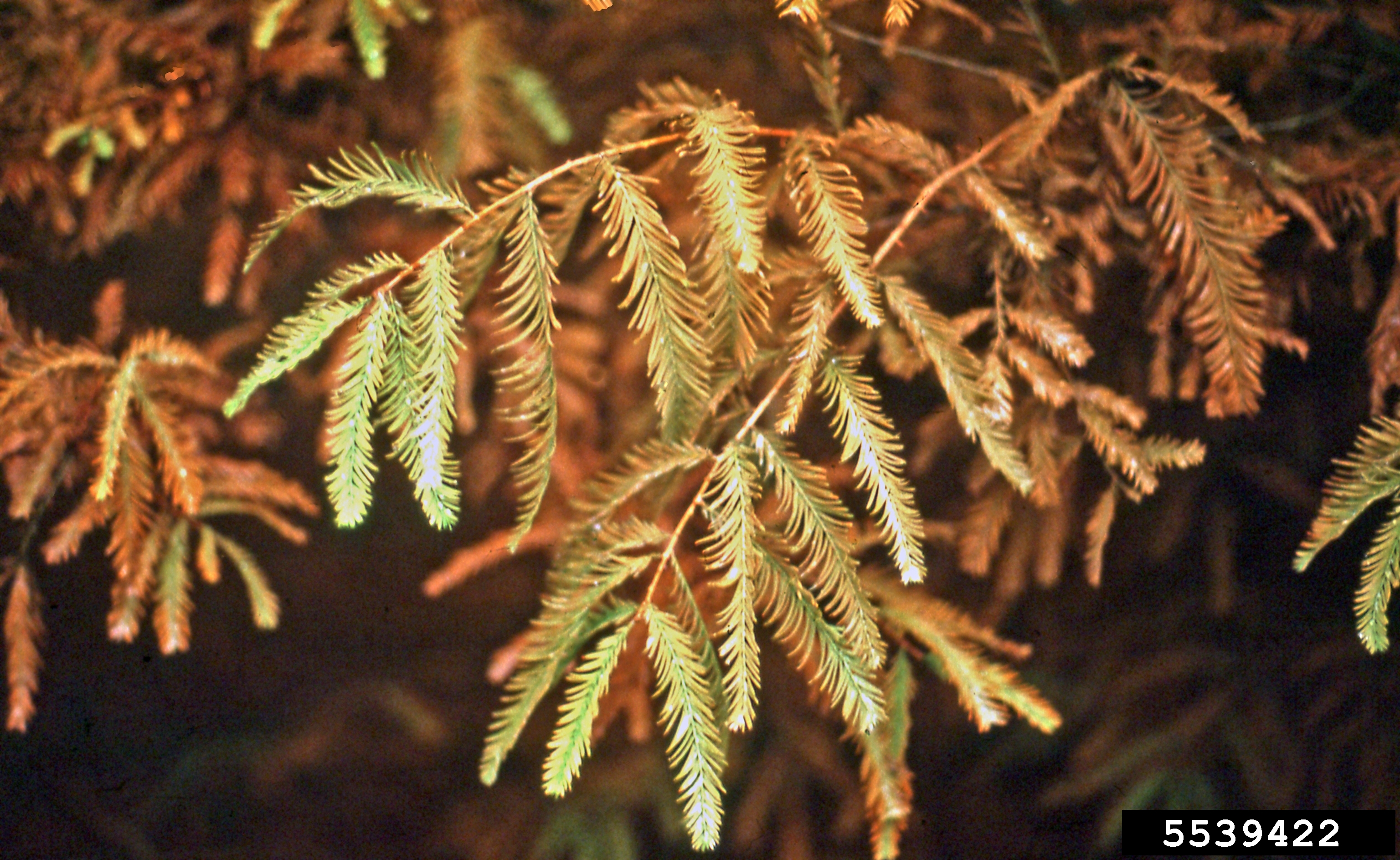
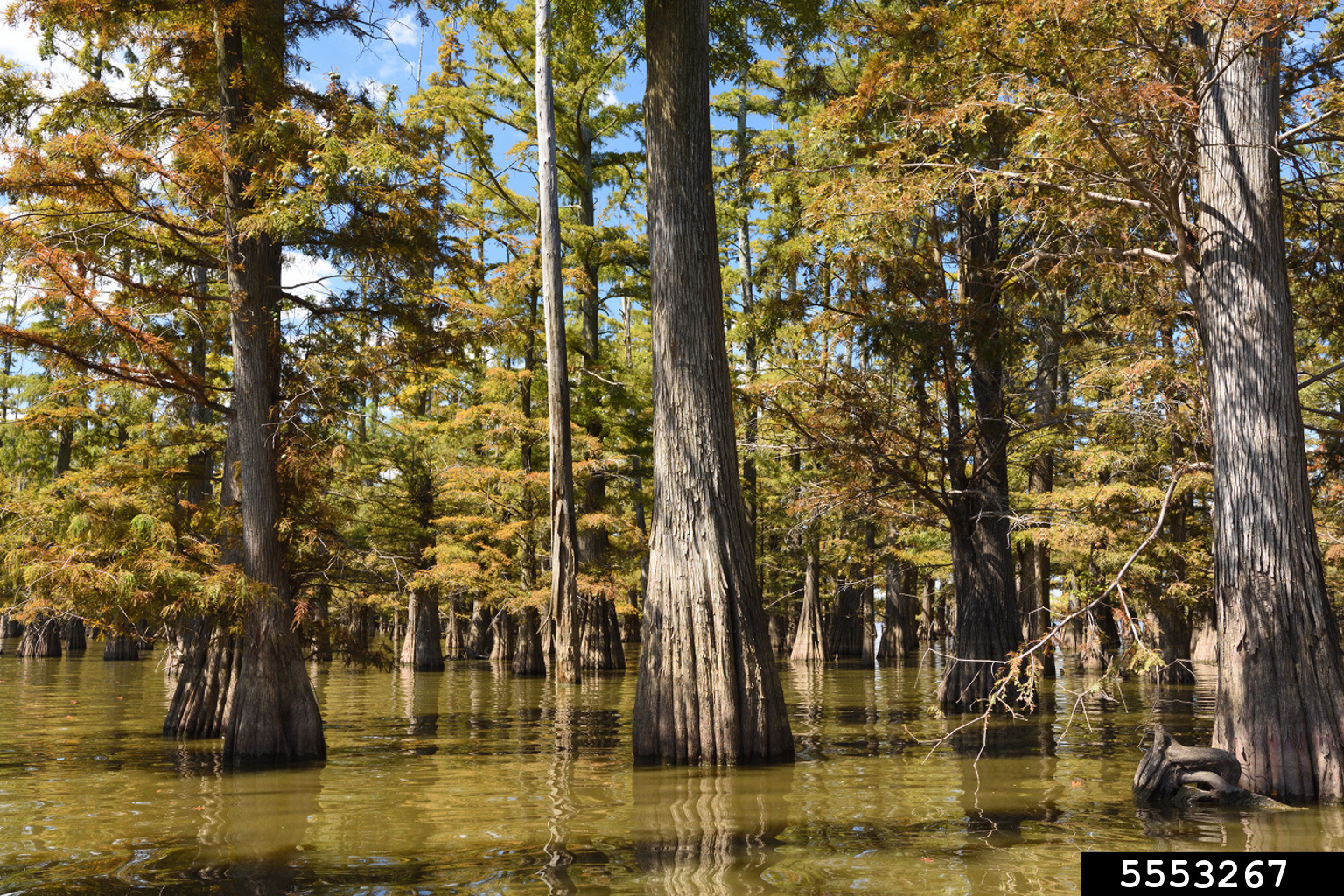
Bald cypress (Taxodium distichum) is a deciduous conifer of the southeast that grows best in full sun on sites with saturated soils or in soils subject to frequent flooding. It has bright green, fern-like needles with shaggy cinnamon colored bark and a fluted tree base. In the fall the foliage turns a bright copper color before the leaves drop. Bald cypress is the dominant tree in swampy inter-coastal habitats of the s.e. US. In very wet habitats it forms characteristic “knees,” which are roots that come above the soil surface to help anchor the tree. There are two recognized bald cypress varieties. Variety 'distichum' is commonly called cypress, swamp-cypress, red-cypress, gulf-cypress, or other names. It readily grows knees and is found in estuaries and river bottomlands from the east coast westward to Texas and north to Illinois. Variety ’nutans,’ is commonly referred to as pond cypress or black-cypress and grows in shallow ponds and wet areas westward to southeast Louisiana.
Did you know?
- Bald cypress is one of few conifer species that loses its leaves in the fall.
- Bald cypress causes floodwaters to slow down, spread out, and infiltrate the soil, thus reducing flood damage.
- The national champion bald cypress is found in Louisiana on Cat Island National Wildlife Refuge and is 96 ft tall with a diameter of nearly 18 ft!
- Bald cypress knees were once used by indigenous peoples as bee hives.
Wildlife
- Squirrels feed on cypress cones and seeds and, along with flood waters, are important in seed dissemination.
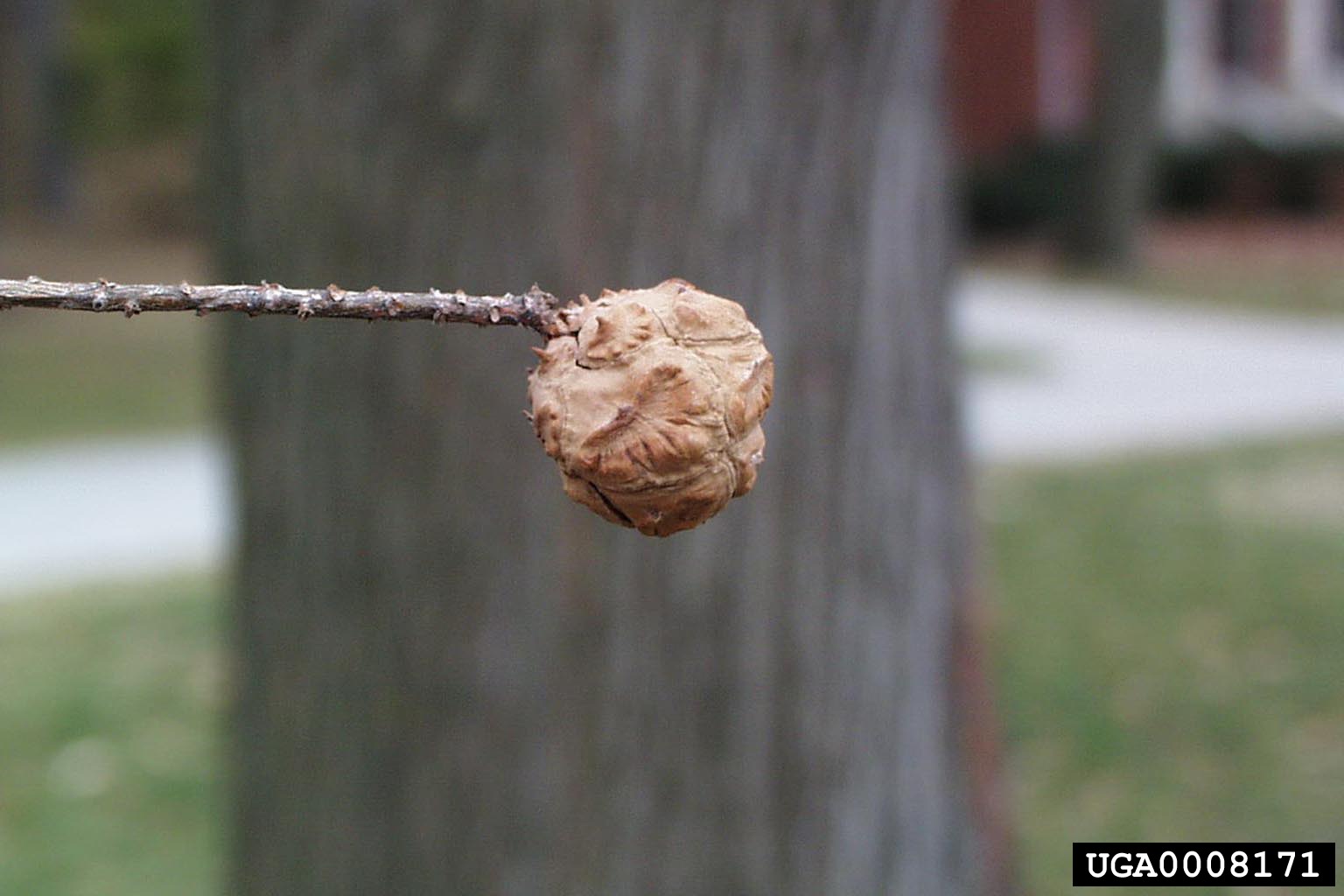
- Cypress foliage can be eaten by the cypress looper, a defoliating caterpillar, as well as the cypress flea beetle, bagworms, a coneworm, and the southern cypress bark beetle.
Uses
- Bald cypress is critically important in capturing flood waters, acting as sediment and pollutant traps.
- Bald cypress tolerates a variety of growing conditions and easily adapts to landscapes.
- The wood is valued for its resistance to decay and is frequently used for boat, dock, and bridge construction.

Benefits
Over a 20-year period, a healthy bald cypress with a diameter of 25 inches will offset 4,031 car miles worth of CO2, absorb enough stormwater to fill 1,376 bathtubs, and remove an amount of pollution from the air – in gaseous and particulate form – equivalent in weight to 129 smartphones! Learn more at iTreetools.
Tree of the Week Video
By University of Kentucky Forestry and Natural Resources Extension
Click to watchContact Us
Images sourced from forestryimages.org